Respite Care or Memory Care? How to Pick the Right Choice for Aging Parents
Business Name: BeeHive Homes of St George Snow Canyon
Address: 1542 W 1170 N, St. George, UT 84770
Phone: (435) 525-2183
BeeHive Homes of St George Snow Canyon
Located across the street from our Memory Care home, this level one facility is licensed for 13 residents. The more active residents enjoy the fact that the home is located near one of the popular community walking trails and is just a half block from a community park. The charming and cozy decor provide a homelike environment and there is usually something good cooking in the kitchen.
1542 W 1170 N, St. George, UT 84770
Business Hours
Families generally reach the crossroads in between respite care and memory care after a string of sleepless nights and hard discussions. A parent has actually wandered at dawn, medication regimens keep slipping, or the caregiver's own health is cracking under the strain. The stakes are instant. The goal is not just to find a bed, however to match the right level of support with the ideal timing so your parent stays safe, engaged, and dignified while everyone gets the breathing room to make sound decisions.
This guide draws from practical, on-the-ground experience. It sets out how each alternative works, when one makes more sense than the other, what to ask on tours, and how to prepare for a shift with minimal disturbance. No 2 families have the same thresholds for danger, budget plan, or cultural expectations around aging, so the guidance here intends to help you evaluate trade-offs rather than follow a script.
What respite care really provides
Respite care is short-term assistance that offers the main caretaker short-term relief. It can last a couple of hours with an in-home aide, a few days during a caretaker's organization journey, or numerous weeks after a parent's hospitalization. Think about it as a pressure valve for the care system around your parent. When utilized proactively, respite can avoid crises like caretaker burnout, preventable ER visits, and rushed long-lasting placements.
There are several delivery models. In-home respite brings a skilled assistant into your house for guidance, individual care, light housekeeping, and companionship. Adult day programs provide structured activities, meals, and monitoring during company hours, which can support day-to-day rhythms and lower seclusion. Some assisted living and memory care neighborhoods provide short-stay homes for one to four weeks. Hospital-affiliated or proficient nursing centers might accept short-term clients who require more medical oversight, especially during healing from health problem or injury.
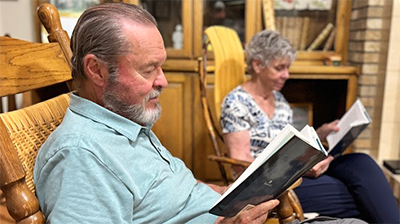
Families frequently try respite after red flags begin to stack up. Photo a daughter who has been covering nights with child monitors and door alarms to avoid her father with early dementia from leaving the house, while likewise raising two teenagers and working full-time. A two-week respite stay permits her to rest and examine what level of care her father really needs. It can likewise assist him get used to a more structured regular before thinking about any irreversible move.
In the best usages of respite, the caretaker returns fresher, small security problems are remedied in the house, and the household acquires data about how their parent functions with outdoors support. In the worst uses, respite is a frantic last hope with little preparation, which can feel disruptive for the parent and frustrating for personnel who are entering a crisis. Planning matters.
What memory care is designed to do
Memory care is a specific residential setting for individuals living with Alzheimer's disease and other types of dementia. It is not simply assisted dealing with a locked door. True memory care revolves around foreseeable routines, ecological cues, specialized activity shows, and personnel training that deals with the communication, movement, and behavioral changes particular to dementia care.
Strong programs establish a constant everyday rhythm. They utilize visual triggers, basic options, and sensory stimulation to reduce anxiety and agitation. Dining is structured to encourage sufficient nutrition without accentuating deficits. Medication management is rigorous and multi-checked, considering that timing matters for mood and function. Security is likewise various. Memory care floors often have safe yards, delayed egress doors, and discreet roam management technology so homeowners can move easily within safe zones without feeling confined.
Quality differs. Some neighborhoods purchase dementia-specific staff training, low resident-to-staff ratios during peak hours, and thoughtful structure style like circular halls that avoid dead ends. Others depend on generic activity calendars and minimal training. When you tour, do not be distracted by chandeliers. See how staff engage with residents, how typically you see smiles or gentle touch, and whether the environment feels calm without being sedating.
Families transfer to memory care when daily security threats or caretaker stress outweigh the benefits of staying at home. That tipping point looks various for each household. For some, it is the 2nd kitchen fire. For others, it is progressive incontinence that overwhelms home assistances. I have actually also seen families pick memory care earlier due to the fact that the parent grows on social interaction, loses function in isolation, and needs the steady regimen that is hard to reproduce at home.
Where the alternatives overlap, and where they do not
If you squint, respite care and memory care both develop area for healing and stability. Yet their desired trajectories vary. Respite is short-term support that preferably helps the person return to their prior living circumstance or transition at their own rate. Memory care is a long-lasting home constructed around cognitive changes that will advance over time.
Consider the goals. Respite intends to support a strained system and collect information, like how your father reacts to night checks, how your mother consumes when meals are cued, and whether an alternative antipsychotic reduces late afternoon agitation. Memory care intends to provide consistent, customized dementia care every day, indefinitely.
Also take a look at intensity. Respite can be light supervision or heavy nursing, depending upon the setting, but it is usually time-limited. Memory care centers on predictable, specialized routines for people whose cognition impacts safety and independence throughout the day and night.
A quick contrast to orient your decision
- Duration: Respite care is short-term and flexible, from hours to weeks. Memory care is continuous residential care.
- Primary goal: Respite supports the caretaker and supports the person short-term. Memory care provides specialized dementia take care of day-to-day living and safety.
- Environment: Respite can be in the house, adult day programs, or short-stay homes. Memory care is a safe, dementia-focused community.
- Staffing: Respite staffing levels vary widely. Memory care staffing is structured for cognitive needs, with targeted training and routines.
- Cost frame: Respite is pay-as-needed with variable rates. Memory care is a monthly commitment with bundled services and higher standard costs.
Signs that respite care is the right next step
Respite makes good sense when the home care setup mostly works but needs supports. Typical circumstances include a caregiver who needs surgery or medical rest, a brand-new medication plan that needs monitoring before a big relocation, or a parent with moderate to moderate dementia whose greatest threats come from inconsistent supervision rather than complicated medical needs.
One marker is predictability. If your mother operates well with cueing and relaxes quickly after quick peace of mind, she may succeed with an adult day program and night at home support, at least for a while. Another is caregiver stability. If the primary caregiver can remain healthy, sleep, and deal with the help of arranged breaks, respite can extend the time at home by months or years. I have actually seen households sustain home care 2 to 3 years longer by layering adult day services, two evenings a week of at home assistants, and an arranged one-week residential respite every quarter.
Cost is likewise a reason to begin with respite. In numerous areas, at home assistants run 28 to 45 dollars per hour, adult day programs vary from 70 to 130 dollars each day including meals and activities, and a one-week respite in assisted living can land in between 175 and 325 dollars daily depending upon care requirements and market. Those figures vary by city, however in general, thoroughly prepared respite can be more economical than an early move to memory care.
Signs that memory care is overdue
On the other hand, particular patterns recommend that home setups and intermittent breaks are no longer keeping your parent safe or engaged. Repetitive roaming to areas where door alarms are inadequate, several falls with injuries, intensifying sundowning that results in hostility, weight loss despite meal delivery, or total caretaker exhaustion point toward residential memory care.
One test is night safety. If someone needs awake over night personnel to avoid harm, it is challenging and expensive to provide at home consistently. Another test is medication and medical coordination. Frequent infections, blood pressure spikes, or insulin management problems can overwhelm even the most organized household. Then there is the social and cognitive health side. Individuals with dementia frequently do much better in environments where activities are customized to their phase of illness. If your parent is pacing in your home all the time with the tv droning, he is not getting dementia care. He is being supervised. That gap matters.
Families sometimes fret that relocating to memory care suggests giving up. In practice, the opposite can be true. A well-run memory care neighborhood can minimize psychotropic medications by using structure, significant activity, and calm de-escalation strategies. I have seen locals restore five to ten pounds of slimmed down because mealtimes ended up being foreseeable and assisted in a dignified way.
How illness phase and diagnosis notify the choice
Dementia is a broad term. Vascular dementia frequently presents with stepwise decreases and more physical comorbidities like strokes or gait issues. Lewy body dementia may include visual hallucinations and a high level of sensitivity to specific medications. Frontotemporal dementia impacts habits and language earlier. These details shape risk.
An individual with Alzheimer's in the early to moderate stage, who follows easy hints and delights in social time, may do very well with adult day programs plus brief residential respite when the caretaker takes a trip. An individual with Lewy body dementia, who experiences frequent fluctuations, can be unsafe in environments with unfamiliar personnel unless the group is trained in that specific profile. In such cases, committed memory care with smaller, constant staffing might be safer than rotating in-home aides.
If your parent's dementia is made complex by considerable heart failure, oxygen use, or wound care, evaluate whether the memory care you are exploring can genuinely manage that medical layer. Some can, with going to nurses and strong medication management. Others can not. Because case, a competent nursing center with a memory support unit may be a much better match than basic memory care.
Budget, insurance coverage, and what is normally covered
These choices are not made in a vacuum. Costs and coverage shape timelines. Medicare in the United States does not pay for long-lasting custodial care. It will cover clinically required knowledgeable services, like short-term rehabilitation after a healthcare facility stay, hospice, or home health nursing, however it does not money ongoing support with bathing, dressing, or guidance. Medicaid protection differs by state through Home and Community-Based Providers waivers and may help with in-home assistants, adult day health, or in some cases memory care. Waitlists can be long.
Long-term care insurance policies, if your parent has one, typically cover both respite and memory care within set everyday or month-to-month advantage caps, subject to elimination durations and advantage triggers. Read the policy carefully. If you intend to utilize respite as a bridge, confirm whether short stays count towards the elimination duration. Some policies enable caretaker training or care coordination benefits, which can assist you stabilize a home plan.
Out-of-pocket, memory care month-to-month rates often begin around 5,000 to 7,500 dollars in mid-cost markets, with care level add-ons pushing totals greater as needs increase. Urban and seaside markets might surpass 9,000 to 12,000 dollars. Always request a detailed rate sheet. Transparent communities will discuss which services are included and which are tiered, such as incontinence supplies, diabetic management, or two-person transfers.
Safety, autonomy, and dignity
The right setting ought to minimize danger without stripping identity. That balance can be delicate. Over-supervision can develop frustration. Under-supervision leads to harm. At home, an individual may cook in a familiar cooking area and enjoy beehivehomes.com assisted living near me a favorite chair, but without supervision range use or stairs can be harmful. In memory care, secure boundaries and structured activities can avoid wandering-related injuries, yet some citizens feel more confined or overstimulated if common areas are loud.
Observe how prospective service providers speak about autonomy. Do they understand a resident's life story and include it into daily options, or do they depend on a one-size-fits-all activity calendar? I try to find three things throughout tours: whether staff utilize the resident's preferred name and tone, whether homeowners look clean and comfy without being excessively sedated, and whether mealtime feels humane rather than rushed. If a neighborhood checks those boxes, it most likely respects dignity.
Using respite to evaluate the waters before a move
A smart middle path is to utilize respite as a trial. Set up a one to 2 week brief remain in the memory care neighborhood you are considering for a long-term move. This provides you real data on sleep, behavior, hunger, and staff fit. It likewise enables the parent to fulfill individuals and learn the rhythms without the added pressure of permanence.
Tell the neighborhood you desire sincere feedback on how much redirection your parent needs, how often continence care is needed, and whether new behaviors emerge. In a lot of cases, staff will determine little adjustments that make a big distinction, like changing the timing of a diuretic to avoid evening restlessness or changing to finger foods if utensil use is declining. Households who try this method typically feel more positive about the choice that follows, whether that implies returning home with a more powerful respite strategy or moving in.
What to ask on tours and consumption meetings
Use questions that reveal practice, not just policy. Neighborhoods will state they offer dementia care and activities, however you want to see how those claims appear everyday. Keep your list brief and focused so you can take notice of the environment and staff.
- How do you adjust the daily regimen for homeowners who have later wake times or sundowning patterns?
- What is your typical resident-to-staff ratio throughout meals and nights, and how do you flex up during high-need hours?
- How do you interact with families about changes in behavior, falls, or medication changes, and how quickly?
- Can you describe a recent circumstance when a resident was distressed and how staff resolved it without restraints?
- Which medical services are available on-site or via going to providers, and what requires outside appointments?
Listen for specifics. Unclear responses generally point to vague practice. If the director can call a resident example while securing privacy, and if an aide can explain how they hint somebody through a shower, you are hearing the program in motion.
Red flags that matter more than décor
Some warning signs are easy to miss out on throughout polished trips. Expect locals parked in corridors for extended periods without engagement. Odor matters, but a heavy air freshener can mask poor incontinence care. Observe call bell action times if you can. Five to seven minutes is affordable in lots of settings. Fifteen to twenty is not. If staff appear hurried or avoid eye contact, inquire about turnover and training. I when toured a neighborhood where the whole memory care team had actually turned over twice in 6 months. Families felt the mayhem long previously corporate fixed it.
Another warning is a rigid activity schedule with no changes for phase or cultural interests. Bingo has its place, but so does meaningful work-like activity for people who flourished on structure. Look for arranging stations, laundry folding, music connected to resident languages, and outdoor time. If every resident is being in front of a tv at 3 in the afternoon, that is not dementia care. It is custodial supervision.
Cultural expectations, family roles, and guilt
Care decisions live inside family systems and cultural standards. In some households, moving a parent to memory care feels like a breach of task no matter how hazardous home has become. In others, utilizing expert assistance early is expected. Guilt is a frequent visitor either way. Acknowledge it, then ground your choice in current truths instead of guarantees made years ago under various circumstances.
If your parent comes from a language neighborhood not represented in regional centers, prepare for that in interviews. Inquire about bilingual staff, food that shows choices, and faith practices. I have actually seen agitation melt when a resident hears familiar hymns or poetry, and I have seen it spike when meals never taste right. These information are not additionals. They become part of efficient dementia care.
A framework for making the call
Decision-making enhances when you map risks, resources, and time horizons. Start with security: list the leading three risks today, like nighttime wandering, medication mix-ups, or caretaker collapse. Name the frequency and repercussions. Next, inventory supports: family hours offered, funds for assistants or programs, insurance benefits, and reliable suppliers within driving distance. Lastly, set a time horizon: what need to hold steady for the next 90 days, and what is your strategy if it does not?
If safety risks are high, assistances are thin, and you can not stabilize the scenario within weeks, memory care is usually the sound option. If threats are moderate and responsive to structure, assistances are good, and you have a concrete strategy to reassess in 60 to 90 days, respite care can extend home time without unnecessary threat. Document your thresholds so feelings do not override facts during a hard moment.
Preparing your parent and family for either option
How you frame the change affects how it lands. Prevent arguments about diagnosis or long-term relocations. Focus on benefits your parent worths. For respite, it might be that a friendly helper will cook together while you run errands, or that the adult day center has live music and garden time. For memory care, it may be that the brand-new place provides meals your parent likes, a patio for fresh air, and staff who can assist with showers so family time can be more relaxed.
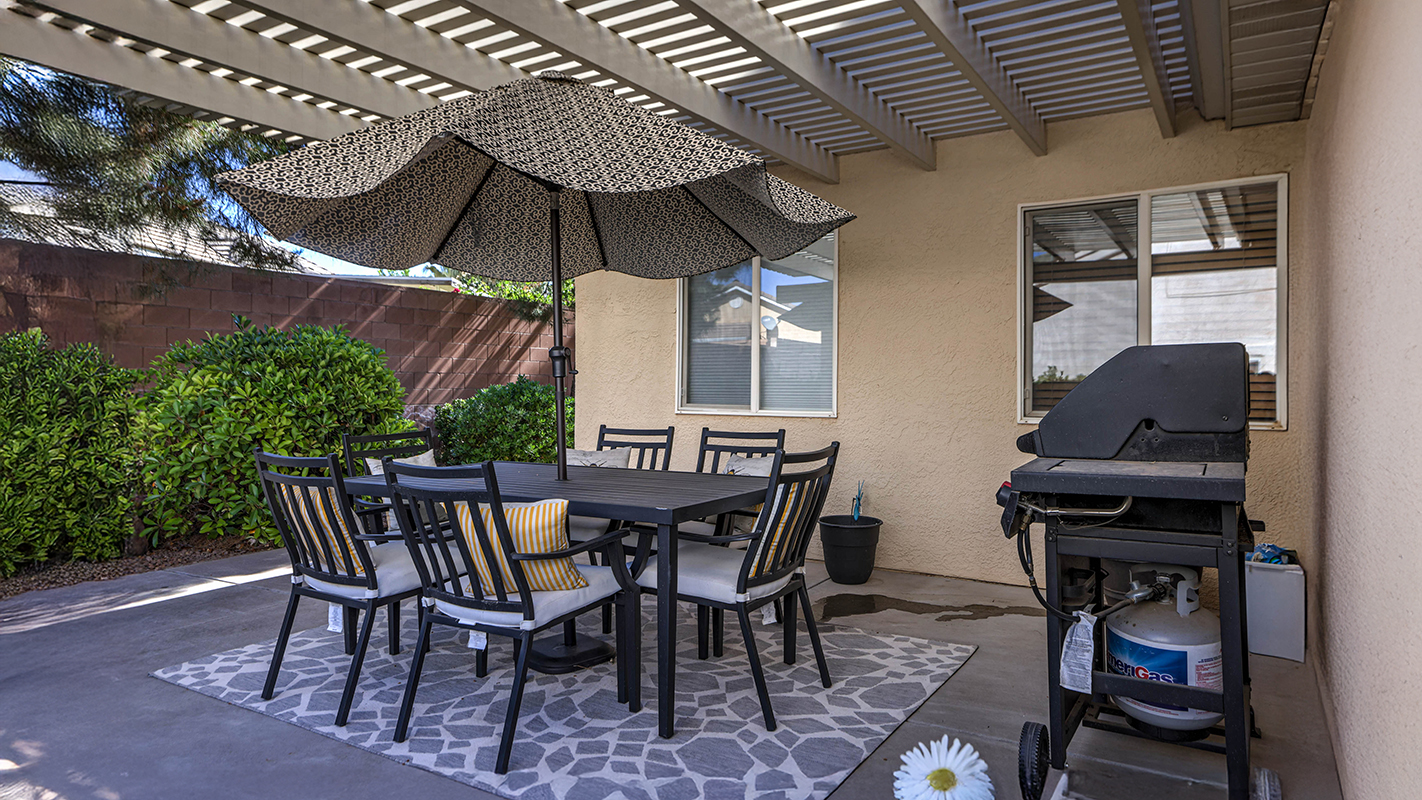
At home, streamline and secure before a respite trial. Eliminate mess, label drawers, established a medication box with clear timing, and place a note with preferred regimens on the refrigerator for assistants. For a memory care relocation, bring familiar products that signal home: a preferred blanket, photos, a simple clock, a well-worn sweater. Label whatever. Anticipate a two to four week change duration. Plan for brief, calm visits rather than long emotional ones initially. Ask personnel for their continued reading timing. They enjoy these shifts weekly and can assist you on whether your presence relieves or overstimulates in the early days.
What success looks like, and how to determine it
Success is not the lack of tough days. Success implies fewer unsafe events, improved sleep, much better nutrition, and moments of connection. Track a couple of easy metrics before and after the change: hours of continuous sleep for both the parent and main caregiver, number of falls or near-misses, weight trends, and habits patterns like late-day agitation. If respite in your home plus adult day decreases roaming by half and you are sleeping 5 hours directly, that is a win worth sustaining. If a month in memory care produces weight gain, steadier state of mind, and regular showers, you have clear indications you remain in the ideal place.
Ask service providers for their data too. Excellent groups track falls, health center transfers, and psychotropic use. They should be willing to share de-identified trends with families and go over how they are improving care.
Common errors and how to prevent them
Families sometimes wait for a best day to make a relocation or for an unanimous vote. Those hardly ever get here. Set a decision date after you gather important info, then act. Another mistake is comparing only cost without weighing staffing levels and results. The more affordable choice can be pricey if it results in ER visits or fast burnout.
Do not avoid legal and administrative groundwork. Long lasting power of lawyer, health care proxy, and updated medication lists need to remain in place before any crisis. Share copies with respite suppliers or memory care teams. If the parent has minutes of refusal, advanced instructions can save time and conflict when choices are time-sensitive.
Finally, prevent disappearing after a move. The very best results happen when families remain involved. Learn the staff names. Share a one-page life story with photos so brand-new aides understand how to link. Bring in preferred treats if diet enables. You are not abandoning care when you choose memory care. You are changing functions, from minute-by-minute task protection to relationship and advocacy.
A short list before you decide
- Identify your top 3 safety dangers at home and how frequently they occur.
- Price out at least 2 respite alternatives and two memory care neighborhoods, with detailed services.
- Confirm insurance advantages, removal periods, and any Medicaid or veteran's options.
- Plan a time-bound trial, either adult day plus in-home aides or a short memory care respite stay, and specify how you will measure results.
- Set a decision date for next steps, and share it with the care group so everyone draws in the exact same direction.
The path forward
Both respite care and memory care exist to hold households up when regular routines can no longer carry the load alone. Respite keeps a workable strategy afloat, buys time to gather info, and safeguards caregiver health. Memory care offers predictable safety, specialized dementia care, and a foundation for the coming years. If you select based on genuine threat, observed response to support, and sustainable resources, you are far less likely to second-guess yourself.
No plan will be ideal. The ideal plan will be steady enough to keep your parent safe, versatile enough to adapt as dementia advances, and humane enough to protect the rituals and relationships that still bring delight. That is the mark of great senior care, whether it takes place at your cooking area table with a relied on aide or inside a memory care community that understands your parent's favorite song by heart.
BeeHive Homes of St George Snow Canyon provides assisted living care
BeeHive Homes of St George Snow Canyon provides memory care services
BeeHive Homes of St George Snow Canyon provides respite care services
BeeHive Homes of St George Snow Canyon offers 24-hour support from professional caregivers
BeeHive Homes of St George Snow Canyon offers private bedrooms with private bathrooms
BeeHive Homes of St George Snow Canyon provides medication monitoring and documentation
BeeHive Homes of St George Snow Canyon serves dietitian-approved meals
BeeHive Homes of St George Snow Canyon provides housekeeping services
BeeHive Homes of St George Snow Canyon provides laundry services
BeeHive Homes of St George Snow Canyon offers community dining and social engagement activities
BeeHive Homes of St George Snow Canyon features life enrichment activities
BeeHive Homes of St George Snow Canyon supports personal care assistance during meals and daily routines
BeeHive Homes of St George Snow Canyon promotes frequent physical and mental exercise opportunities
BeeHive Homes of St George Snow Canyon provides a home-like residential enviroMOent
BeeHive Homes of St George Snow Canyon creates customized care plans as residents’ needs change
BeeHive Homes of St George Snow Canyon assesses individual resident care needs
BeeHive Homes of St George Snow Canyon accepts private pay and long-term care insurance
BeeHive Homes of St George Snow Canyon assists qualified veterans with Aid and Attendance benefits
BeeHive Homes of St George Snow Canyon encourages meaningful resident-to-staff relationships
BeeHive Homes of St George Snow Canyon delivers compassionate, attentive senior care focused on dignity and comfort
BeeHive Homes of St George Snow Canyon has a phone number of (435) 525-2183
BeeHive Homes of St George Snow Canyon has an address of 1542 W 1170 N, St. George, UT 84770
BeeHive Homes of St George Snow Canyon has a website https://beehivehomes.com/locations/st-george-snow-canyon/
BeeHive Homes of St George Snow Canyon has Google Maps listing https://maps.app.goo.gl/uJrsa7GsE5G5yu3M6
BeeHive Homes of St George Snow Canyon has Facebook page https://www.facebook.com/Beehivehomessnowcanyon/
BeeHive Homes of St George Snow Canyon won Top Assisted Living Homes 2025
BeeHive Homes of St George Snow Canyon earned Best Customer Service Award 2024
BeeHive Homes of St George Snow Canyon placed 1st for Senior Living Communities 2025
People Also Ask about BeeHive Homes of St George Snow Canyon
How much does assisted living cost at BeeHive Homes of St. George, and what is included?
At BeeHive Homes of St. George – Snow Canyon, assisted living rates begin at $4,400 per month. Our Memory Care home offers shared rooms at $4,500 and private rooms at $5,000. All pricing is all-inclusive, covering home-cooked meals, snacks, utilities, DirecTV, medication management, biannual nursing assessments, and daily personal care. Families are only responsible for pharmacy bills, incontinence supplies, personal snacks or sodas, and transportation to medical appointments if needed.
Can residents stay in BeeHive Homes of St George Snow Canyon until the end of their life?
Yes. Many residents remain with us through the end of life, supported by local home health and hospice providers. While we are not a skilled nursing facility, our caregivers work closely with hospice to ensure each resident receives comfort, dignity, and compassionate care. Our goal is for residents to remain in the familiar surroundings of our Snow Canyon or Memory Care home, surrounded by staff and friends who have become family.
Does BeeHive Homes of St George Snow Canyon have a nurse on staff?
Our homes do not employ a full-time nurse on-site, but each has access to a consulting nurse who is available around the clock. Should additional medical care be needed, a physician may order home health or hospice services directly into our homes. This approach allows us to provide personalized support while ensuring residents always have access to medical expertise.
Do you accept Medicaid or state-funded programs?
Yes. BeeHive Homes of St. George participates in Utah’s New Choices Waiver Program and accepts the Aging Waiver for respite care. Both require prior authorization, and we are happy to guide families through the process.
Do we have couple’s rooms available?
Yes. Couples are welcome in our larger suites, which feature private full baths. This allows spouses to remain together while still receiving the daily support and care they need.
Where is BeeHive Homes of St George Snow Canyon located?
BeeHive Homes of St George Snow Canyon is conveniently located at 1542 W 1170 N, St. George, UT 84770. You can easily find directions on Google Maps or call at (435) 525-2183 Monday through Sunday 9:00am to 5:00pm
How can I contact BeeHive Homes of St George Snow Canyon?
You can contact BeeHive Homes of St George Snow Canyon by phone at: (435) 525-2183, visit their website at https://beehivehomes.com/locations/st-george-snow-canyon, or connect on social media via Facebook
Tonaquint Nature Center Tonaquint Nature Center offers quiet trails and wildlife viewing that support calming experiences for elderly care residents during assisted living, memory care, and respite care visits.